Dualism is the view that the mind exists independently of the body and the brain. It's a common sense idea. Many people could be described as intuitive dualists because the self existing independently of the body just makes sense from first-person viewpoint.
Sometimes dualist views assert themselves in how we think and act. Movies and television may sometimes reflect intuitive dualism. Here are a few examples.
The Disney-Pixar movies Inside Out and Inside Out 2 are about the psychology of Riley, an 11-year old girl. The emotions of Joy, Sadness, Fear, Disgust, and Anger are like little people inside Riley's head. These characters look at the world through Riley's eyes, manage her memories, and make decisions at a control panel. This view, that psychological functions are like little people inside the brain, has a strong intuitive appeal.
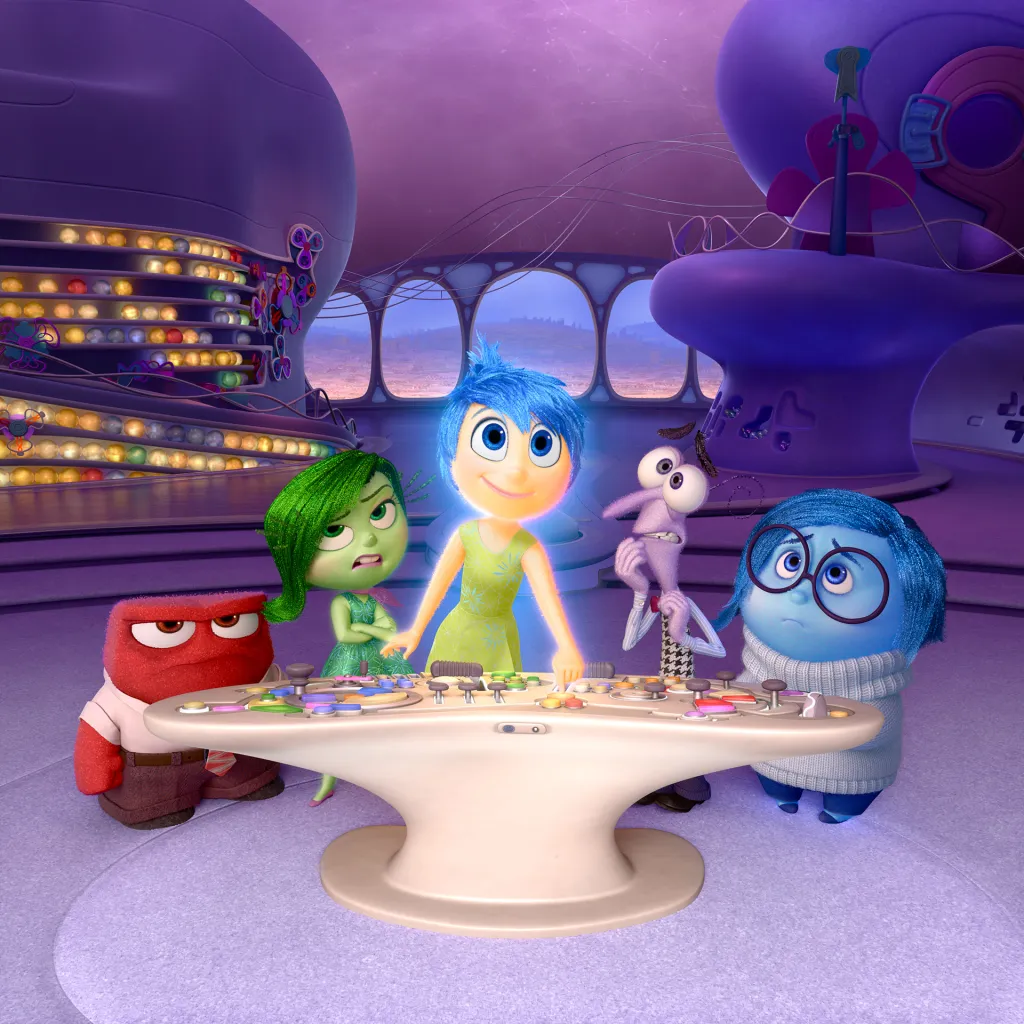
Other neuroscientists have weighed in the neuroscience and psychology metaphors of Inside Out. They feel it is a take on consciousness, albeit inaccurate, or the functioning of the limbic system.
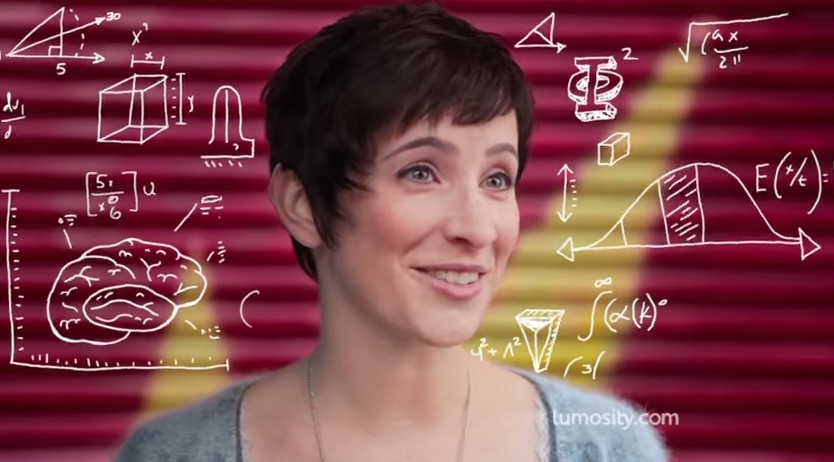
A few years ago, the cognitive training company Lumosity had ads expressing a intuitive dualism perspective. The woman who used the product said "I want a better brain!" and "I'm much happier with my brain now!" Note how this supposes an "I" that is somehow separate from the brain. This separateness feels compelling. It's an expression of dualism, a separateness between self and biology.
The third example comes from advertisement for Vraylar, a medication for treating mood disorders. It opens with the character Dana looking depressed. Next, we are transported to the inside of Dana's head, where we see Dana's internal processes as she lives inside her head. The setup is very similar to the Inside Out movie. Fortunately, she starts feeling better and joins her friends to play flag football.
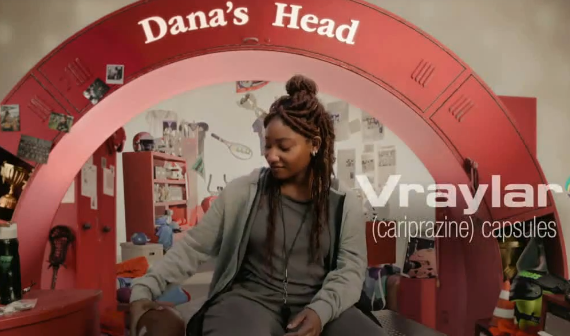
The common theme in these examples is a separateness between self and the brain. Psychological functioning is understood as anthropomorphic little people operating inside the head and making critical decisions. There is an "I" that owns the brain rather than a brain that produces the self. Curiously, this happens even though many people understand that the brain is the center of psychological functions. It suggests something important about how we tend to understand our own psychological functioning and consciousness.